
Postpartum & Maternal Anxious Attachment Therapy in California.
Motherhood changes everything, including the way you relate to your partner, your baby, and yourself.
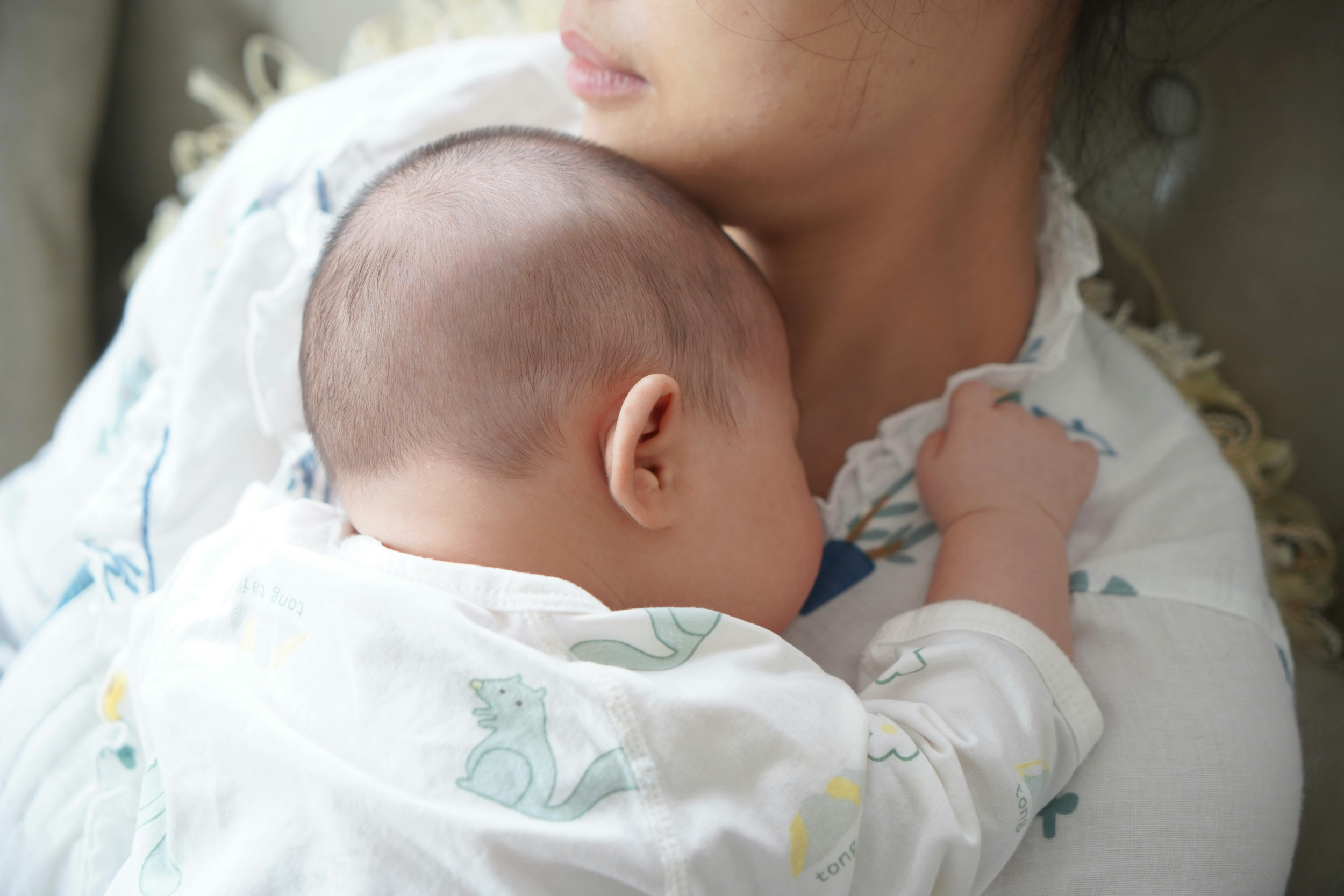
Becoming a mother rewires everything, especially the way you love. If motherhood has cracked open old fears of abandonment, sent you into reassurance-seeking spirals, or left you convinced your partner is pulling away, you are not broken. You're experiencing Relationship-Centered Postpartum Anxiety, and it's exactly what we specialize in treating at Zyla Care.
When Becoming a Mom Wakes Up Old Attachment Wounds.

Bringing a child into the world is life-changing, but it can also throw your emotional foundation into chaos. If you have an anxious attachment style, the sheer responsibility of parenthood, combined with sleep deprivation and shifting relationship dynamics, can send your nervous system into overdrive.
You might find yourself thinking:
"My partner isn't offering help the way I need, so they must be pulling away from me."
"What if I'm not doing this right and I damage my baby's attachment to me?"
"I feel completely disconnected from my partner, and every small disagreement feels like our relationship is falling apart."
“I’m worried my partner isn’t attracted to me anymore and will cheat on me”
“I hate my postpartum body and I’m terrified my partner isn't attracted to me anymore.”
“Sometimes I get jealous of my baby. My partner dotes on him/her…why can’t he do that for me?”
You are not a bad mom, and you are not "failing" at your relationship. You are struggling with postpartum Anxious Attachment and your brain is simply trying to protect your most vital connections under the intense weight of maternal transition.

Why Attachment Style Matters in the Postpartum Period.
Your attachment history directly impacts how your brain processes the intense transition into parenthood. Studies show that mothers with attachment insecurity face over 12 times higher odds of experiencing elevated postpartum distress during the early weeks of motherhood (Oyamada, 2026).
Postpartum anxious attachment isn't always just worrying about the baby—it often shows up directly in your closest relationships:
The Constant Reassurance Need: Feeling an intense, urgent need for your partner to validate that you’re doing a good job, that they still love you, and that your relationship is safe.
Resentment and Isolation: Feeling overwhelmed by the invisible load of motherhood, but feeling terrified that voicing your needs will push your partner away or create conflict.
Hypervigilance Around the Baby: Worrying endlessly about your baby’s well-being while simultaneously feeling anxious about losing your identity and your intimacy as a couple.
The "Anxious-Avoidant Trap" at Home: Pursuing your partner for emotional support while they withdraw due to stress, leaving you feeling utterly alone in the middle of the night.
How Postpartum Anxious Attachment Impacts Your Relationship.

Postpartum anxious attachment rarely exists in a vacuum. Recent findings indicate that attachment anxiety interacts heavily with partner dynamics: low romantic relationship satisfaction combined with high attachment anxiety significantly increases a mother's vulnerability to postpartum traumatic stress and hyper-arousal (Alves et al., 2025).
Partners of anxiously attached new moms don't always know what's happening. They pull away because nothing they do feels right. You pursue harder because the distance confirms your fear.
Your relationship starts running on fumes.
This is the part nobody tells you about postpartum anxiety. It doesn't just live in you. It lives between you and your partner. Between you and your own sense of self. Between the mother you're trying to be and the woman you're afraid you're losing.
We work with both layers. The anxiety you carry as a new mother. And the attachment patterns driving it underneath. This way you can feel like yourself again and protect your relationship.
A Compassionate & Specialized Approach to Helping Moms Feel Secure
We go beyond standard coping strategies to address the root drivers of maternal anxiety, helping you build a secure foundation for both your partnership and your growing family. We do this by integrating the most advanced evidence-based treatments for Attachment, specifically:
1. Attachment-Based Internal Family Systems (IFS)
We help you connect to the activated anxious Part and help it feel safe and secure.
2. EMDR Therapy for Relational Trauma & Birth Experience
If past trauma, childhood emotional neglect, or a distressing birth experience is keeping your nervous system stuck in a state of high alarm, Eye Movement Desensitization and Reprocessing (EMDR) helps your brain process those memories so you can feel grounded in the present.
3. Somatic & Nervous System Regulation
Learn practical, real-time tools to soothe panic, ease overthinking, and lower cortisol levels when motherhood feels overwhelming.
Expert Care for Postpartum Anxious Attachment in the comfort of your home.
Between feeding schedules, nap routines, and endless task lists, getting to an in-person office can feel impossible. Meet with your provider through a secure HIPAA-compliant video platform and receive expert, specialized support right from the comfort of your couch, baby in arm.
We offer online therapy for moms in San Francisco, Sacramento, and Across California.
You Deserve to Feel Secure in Motherhood and Your Relationship Doesn’t Have to Suffer.
Let's work together to restore your peace of mind and help you and your partner feel safe and connected.
Frequently Asked Questions About Postpartum Anxious Attachment.
-
Yes! provides specialized online therapy for mothers across California who experience postpartum relationship anxiety, hypervigilance, and anxious attachment. Unlike general postpartum practices that focus solely on depression or general stress, Zyla Care specializes in the intersection of high-functioning postpartum anxiety and relationship-centered fear of abandonment. Using Attachment-Based Internal Family Systems (IFS), Acceptance and Commitment Therapy (ACT), and Somatic Regulation, Zyla Care helps mothers break reassurance-seeking loops, navigate matrescence, and build secure relational bonds.
-
Anxious attachment amplifies postpartum anxiety by triggering deep fears of abandonment, inadequacy, or losing control during matrescence. New mothers with anxious attachment may experience hypervigilance, constantly seeking reassurance about their parenting or feeling an overwhelming fear that they aren't "enough" for their baby or partner.
-
The primary signs include constant over-checking on the baby, hyper-fixating on partner responsiveness, chronic "mom guilt," over-functioning/perfectionism, and difficulty resting even when the baby is safe. You may feel "tired but wired" and internally panicked despite appearing high-functioning on the outside.
-
Yes, therapy can rewire attachment patterns through neuroplasticity and evidence-based clinical approaches. Modalities such as Attachment-Based Internal Family Systems (IFS), Acceptance and Commitment Therapy (ACT), and Somatic Regulation help transform anxious attachment into earned secure attachment during the postpartum period.
-
No, postpartum anxious attachment is distinct from postpartum depression, though they can co-occur. While postpartum depression often presents as low energy, sadness, or numbness, postpartum anxious attachment manifests as hyper-arousal, obsessive worry, difficulty delegating, and panic around relationship security or parenting competence.
-
Yes, Zyla Care provides secure, HIPAA-compliant online therapy for postpartum anxiety and anxious attachment across all of California, including San Francisco, Sacramento, Los Angeles, and San Diego. Telehealth sessions allow mothers to receive specialist support flexibly from home without needing childcare or commuting.
-
Alves, S., Pratas, M., Sousa, M., Fidalgo, D., Morais, A., Jongenelen, I., Lamela, D., Pinto, T. M., & Costa, R. (2025). Prenatal couple relationship satisfaction, romantic attachment, and childbirth-related posttraumatic stress symptoms. Journal of Reproductive and Infant Psychology, 1–17. https://doi.org/10.1080/02646838.2025.2452908
Oyamada, M. (2026). Attachment style and perinatal depressive symptoms across the transition to parenthood. Pediatric Reports / MDPI, 13(3), 332–345.