
Parenting With Anxiety: How to Stop Passing Your Worry On to Your Kids.
It happened on a Tuesday.
You were rushing to get out the door—shoes were missing, the toast burned, and you were already dreading the crawl on Business 80. The morning heat was already radiating off the pavement, even though it was only 8:30 AM.
You felt that familiar buzzing in your veins. Your voice got tight. You started snapping commands.
And then you saw it.
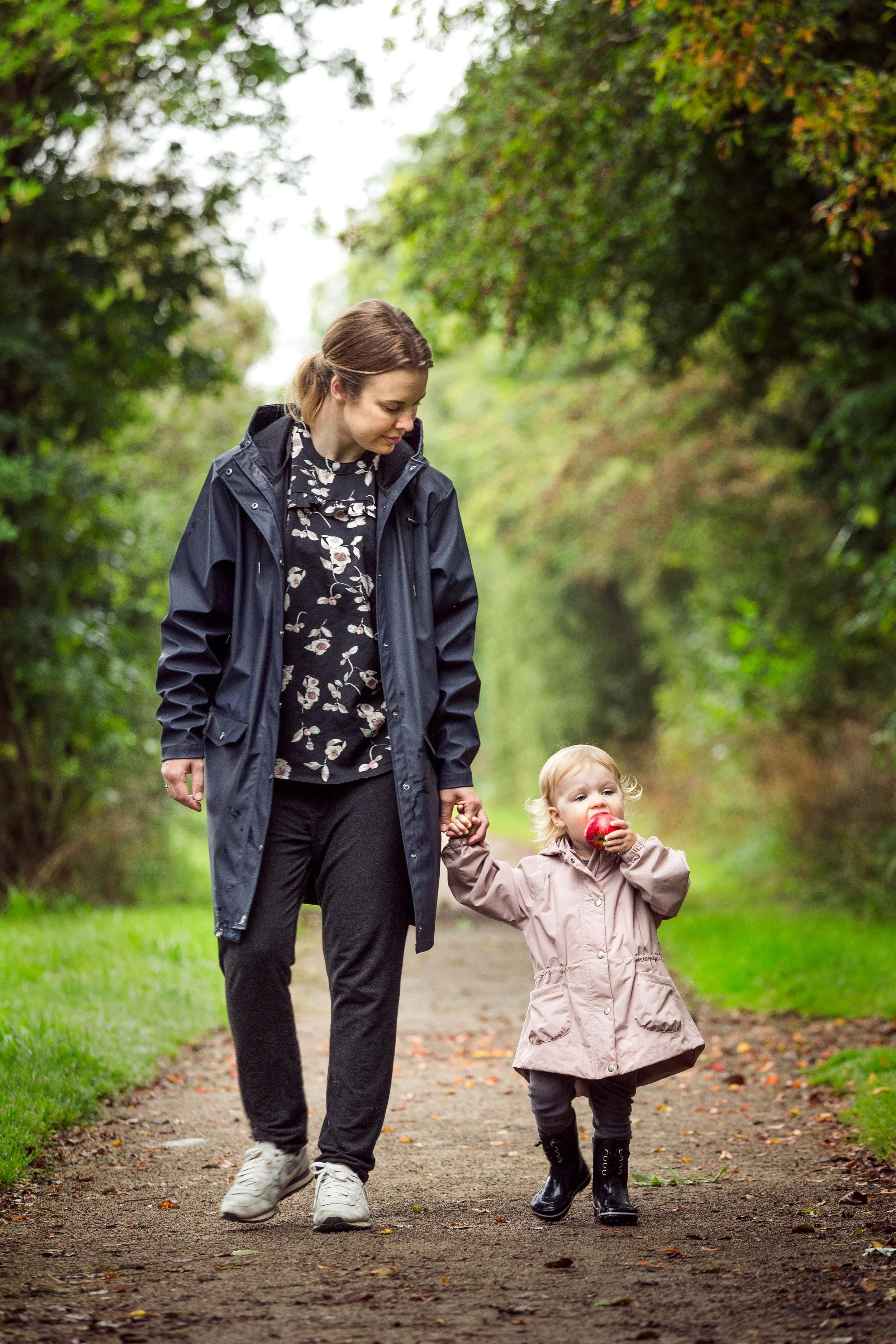
You looked at your child, and you didn't just see them. You saw you.
Maybe they were biting their nails. Maybe they were shrinking into the sofa, trying to make themselves invisible. Maybe they looked up at you with wide, fearful eyes—the exact same look you used to give your own mother when she was stressed.
And your heart stopped.
The thought hit you like a freight train: "Am I Ruining My Child?" It’s happening. I am doing it. I am passing my anxiety onto them. I am damaging them exactly the way I was damaged.
If you have ever spiraled into a panic attack because you are terrified of traumatizing your kids, welcome to the club. It is the heaviest burden of modern motherhood—especially for those of us raising kids without a village. We are the "Cycle Breakers." We are the generation that decided, "It stops with me."
But that pressure is crushing.
Here is the truth I tell my clients when they sit on my couch in my Sacramento office, weeping with guilt: The fact that you are worried about this proves you are already breaking the cycle.
The Myth of the "Zen Mom".
Many of us who grew up in volatile or anxious homes have over-corrected. We think that to be a "good" mom, we must be a Zen Robot. We think we need to hide our anxiety, mask our stress, and present a facade of constant calm to our children.
But children are human lie detectors.
They have "mirror neurons." They can feel your heart racing even if you are smiling. When you pretend you aren't anxious, but your energy screams DANGER, it confuses their intuition. They learn not to trust their own gut.
Breaking the cycle doesn’t mean never having anxiety. It means showing your children what to do with it.

The "Sacramento Transplant" Reality: Isolation vs. Overlap.
For so many moms here in the Valley, the anxiety is compounded by the specific reason you moved here. Most of us fall into one of two camps, and both come with unique triggers.
Scenario A: The "Space" Seeker Maybe you moved from the Bay Area to Roseville or Folsom because you wanted a backyard and a slower pace. But now? You have the square footage, but you lost your community. You are parenting in a vacuum, without the friends who used to be a 20-minute Uber away. When you are the only regulation tool your child has, your fuse is naturally going to be shorter.
Scenario B: The "Village" Seeker Maybe you moved back to Land Park or East Sac specifically to be close to Grandma and Grandpa. You have the "Village," but now you are parenting under a microscope. It is hard to break a generational cycle when the generation you are trying to heal from is sitting at your dinner table every Sunday. You aren't just managing your kid's emotions; you're managing your parents' reactions, too.
Whether you are isolated or over-stimulated by family, the result is the same: Your nervous system is fried.
Your Anxiety is Not a Contagion.
You are not "infecting" your child. Anxiety has a genetic component, yes, but biology is not destiny.
The damage in generational trauma doesn't come from the parent having big feelings. The damage comes from the parent denying those feelings, or blaming the child for them.
The Old Cycle: The parent screams, slams doors, and then acts like nothing happened (gaslighting), or says, "You made me so mad!" (blaming).
The New Cycle: The parent feels anxious, acknowledges it, and models regulation.

How to Narrate Your Nervous System.
So, how do we do this practically? How do we parent when our own inner child is screaming?
We stop hiding. We start Narrating.
When we narrate our anxiety, we take the scary mystery out of the room. We teach our children emotional vocabulary.
Scenario: You are driving down I-5 and someone cuts you off. Your heart pounds. You gasp.
Old Reaction: You white-knuckle the steering wheel and go silent, radiating tension. Your child in the backseat feels the fear but doesn't know why, so they assume they did something wrong.
Cycle-Breaking Reaction: You take a deep breath and say out loud: "Wow, that car scared Mommy. My heart is beating really fast right now. I’m going to take three deep breaths to tell my body I am safe."
Do you see the difference?
In the second scenario, you aren't a robot. You are a human having a reaction, and you are showing your child the tool to fix it. You are teaching them: Feelings come, and then we help them go.

Separating the Past from the Present.
The hardest part of parenting with anxiety is "The Ghost in the Nursery." This is when your child’s behavior triggers a memory from your own childhood.
When your toddler throws a tantrum, you might feel a spike of panic—not because the tantrum is dangerous, but because you weren't allowed to have tantrums as a kid. Your body remembers the punishment you received, and it reacts as if you are the one in trouble.
This is where the work happens.
When you feel that irrational, high-stakes panic over a small behavior, pause. Put a hand on your chest. Ask yourself:
"Who is this feeling for?"
Is this feeling for my son, who is safe and just crying over a broken banana? Or is this feeling for Little Me, who was terrified to make a mistake?
You Are Building a New Roadmap.
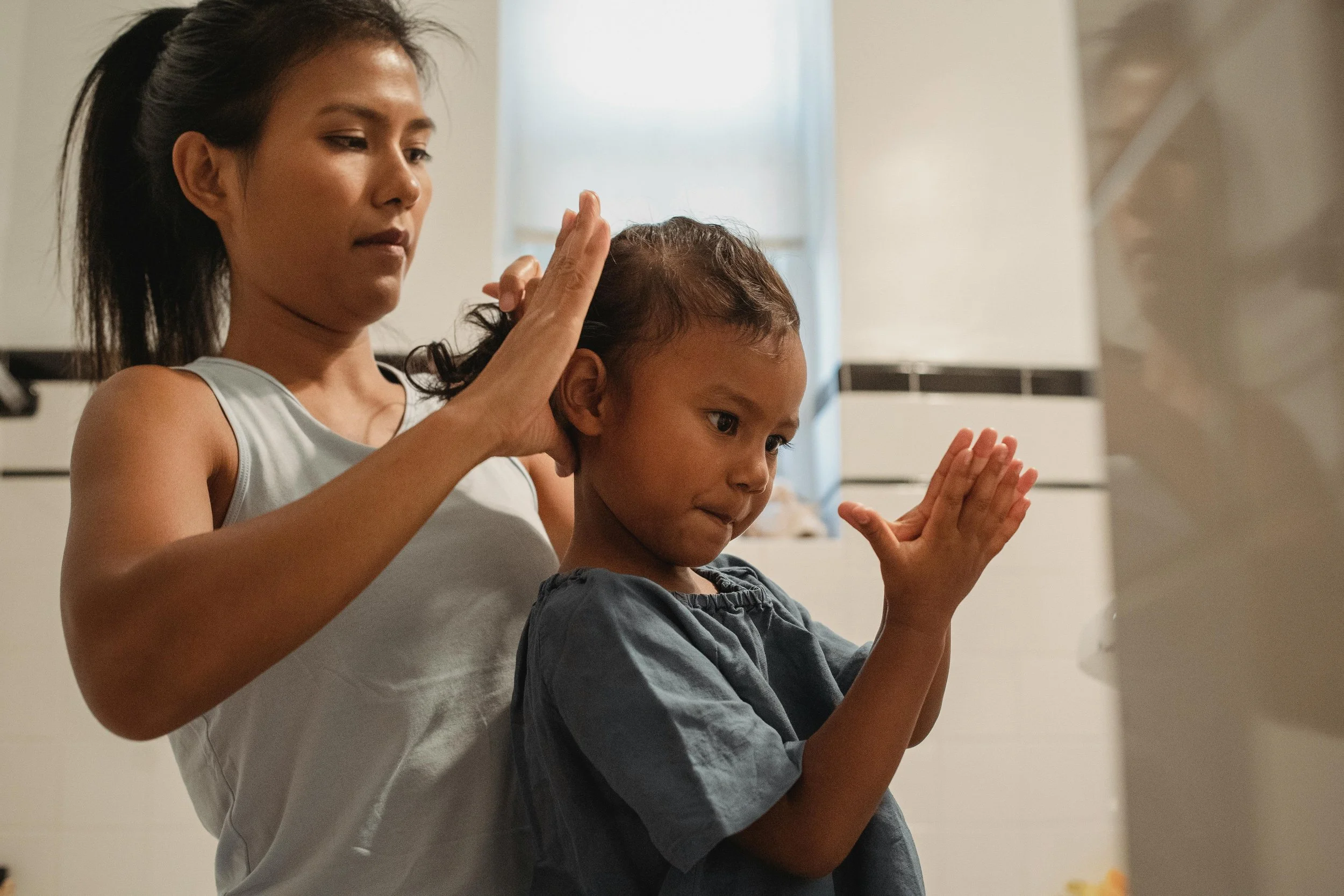
Breaking a generational cycle is like hacking a path through a jungle with a machete. It is exhausting work. You are building a road your ancestors never walked.
You will mess up. You will yell. You will have days where your anxiety wins.
But unlike the generation before us, you will go back. You will apologize. You will say, "I had a hard time today, but I love you, and we are okay."
You are not ruining your children. You are giving them the greatest gift possible: A mother who is real, a mother who owns her story, and a mother who keeps showing up.
Written by Abigail Kira LMFT 119629 and Founder of Zyla Care. Zyla Care specializes in Perinatal Mental Health for moms across Sacramento. Whether you are navigating isolation in the suburbs or setting boundaries with family in the city, you don't have to white-knuckle it alone. Click the button below schedule a free consultation, and let’s support the mother behind the mom.